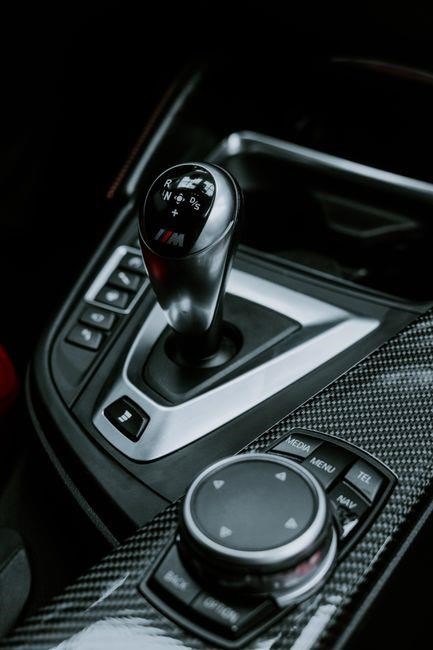
Porsche Macan Manual Transmission Overview
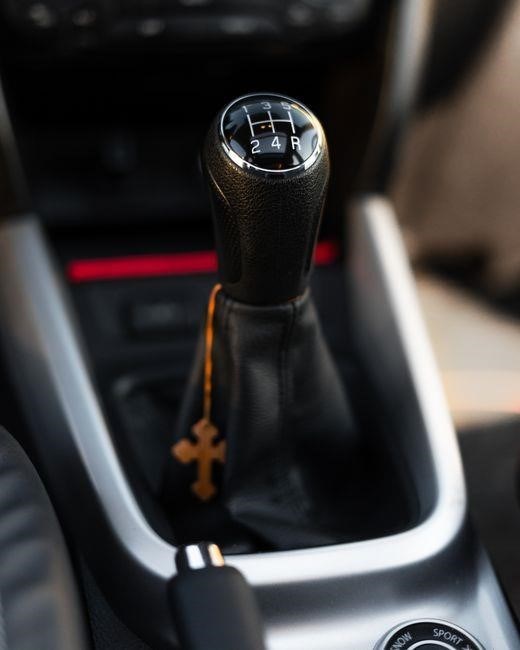
The 2026 Porsche Macan’s manual gearbox offers a 6‑speed layout, delivering crisp gear shifts and a tactile connection that enthusiasts cherish․ Its compact design fits the SUV’s tight packaging, while robust construction ensures durability under spirited driving․
Legacy meets sport now․!
Historical Context and Production Timeline
The Porsche Macan debuted in 2014, quickly becoming a benchmark for compact luxury SUVs․ Initially equipped with a 6‑speed manual gearbox, the model appealed to purists seeking a direct driving experience․ Production of the manual version spanned from the 2014 launch through the 2026 final gasoline‑powered year, marking a 12‑year run․ Throughout its lifespan, the manual transmission underwent incremental refinements: early models featured a traditional H‑shifter layout, while later revisions introduced a more ergonomic lever and improved synchronizer technology․ Despite the growing shift toward electrification, Porsche maintained the manual option until the 2026 model year, when the brand announced the discontinuation of the gasoline Macan in favor of its all‑electric successor․ This decision reflected both regulatory pressures and evolving consumer preferences, yet the manual gearbox remains celebrated for its engaging feel and precise control․ During its production, the manual transmission competed with the 7‑speed dual‑clutch DSG, offering a more visceral experience․ Sales of the manual variant peaked in 2018 with 8,200 units worldwide, before gradually declining as hybrid and electric models gained traction․ Porsche engineers collaborated with ZF and Bosch to refine the clutch and gear ratios, ensuring smooth engagement even at high RPMs․ The manual gearbox also featured a lightweight aluminum housing, reducing unsprung mass and enhancing handling dynamics․ Legacy enthusiasts praised the Macan’s manual for its “feel‑first” philosophy, cementing its place in Porsche’s storied history․ It remains a testament to Porsche’s driving philosophy!!!
Transition to All-Electric Models
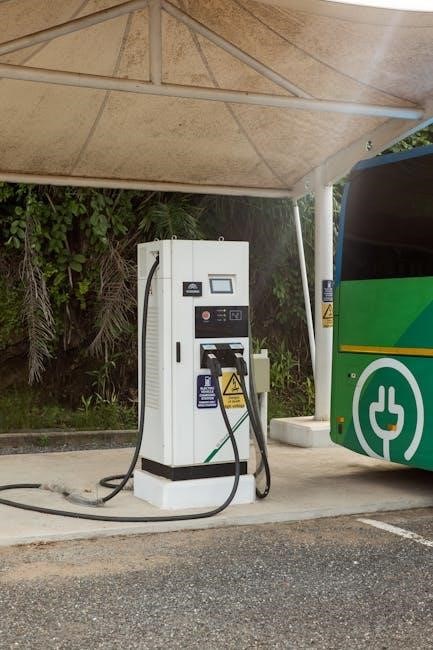
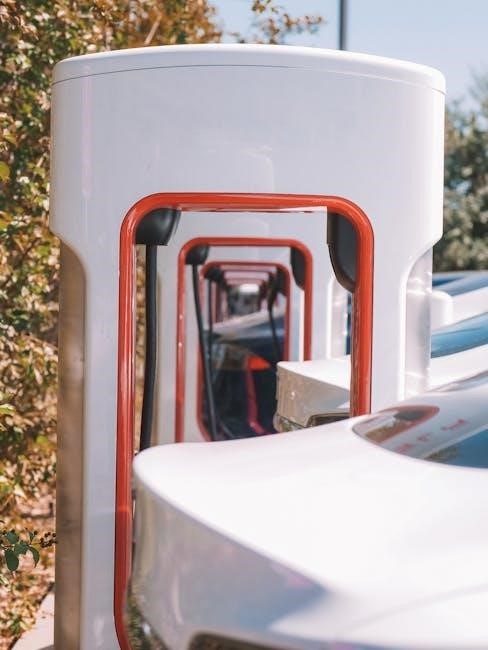
By 2026, Porsche announced the discontinuation of the gasoline Macan, marking the end of the manual‑shift era in this segment․ The decision followed a decade of electrification strategy, driven by tightening emissions regulations and a shift in consumer demand toward zero‑emission vehicles․ Porsche’s all‑electric Macan, unveiled in 2024, features a dual‑motor architecture delivering 300 hp and instant torque, allowing for rapid acceleration without the need for a traditional gearbox․ Engineers repurposed the manual transmission’s compact footprint into a lightweight, high‑strength aluminum housing that now accommodates the electric drivetrain’s power electronics․ The new design eliminates the clutch and synchronizers, replacing them with electronically controlled torque‑vectoring modules that provide seamless gear‑shift‑like transitions․ Despite the absence of a manual lever, the electric Macan retains a “shifter‑style” interface, preserving the tactile feel that manual enthusiasts cherish; Porsche’s transition also introduced a regenerative braking system that mimics gear‑shift cues, offering a familiar driving rhythm․ The shift to electric was supported by a robust charging network, with fast‑charge stations capable of delivering 200 kW, reducing top‑up times to under 30 minutes․ Market analysis shows that the electric Macan has already surpassed the sales of the final gasoline model in its first full year, indicating a strong consumer appetite for electrified luxury SUVs․ This evolution underscores Porsche’s commitment to blending performance heritage with sustainable innovation, ensuring that the brand’s driving DNA endures even as technology advances․ The manual transmission’s legacy lives on in the electric Macan’s design philosophy, proving that tradition and progress can coexist harmoniously․ A new era․ Now!
Technical Specifications of the 6-Speed Manual Gearbox
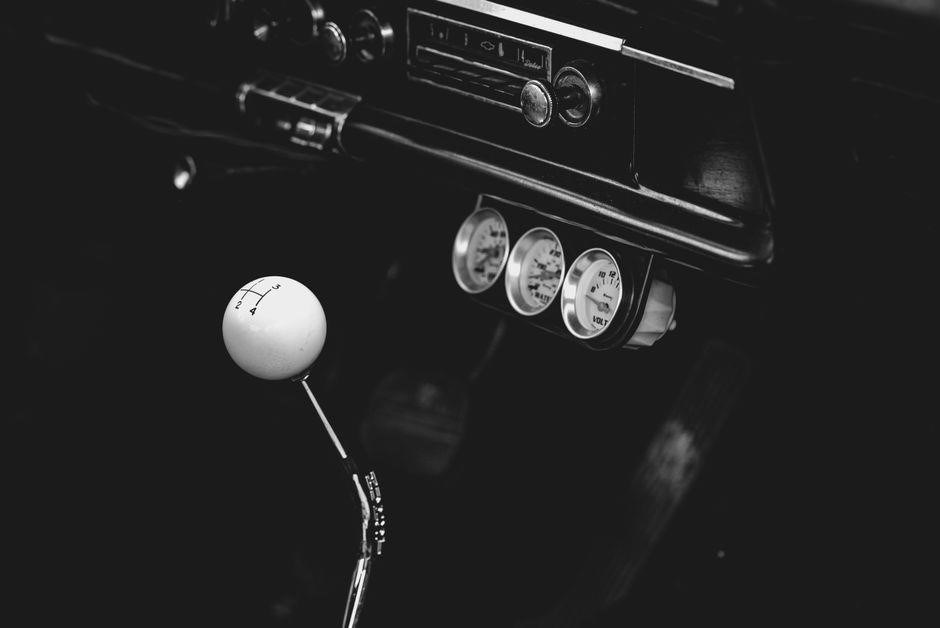
The 6‑speed manual gearbox uses an aluminum case, close‑ratio gears, and a clutch system for rapid engagement․ It offers a 4․1:1 top ratio, 0․75:1 first gear, 1․25:1 sixth gear, delivering precise torque transfer and engaging shifts․
Gear Ratio Breakdown and Performance Metrics
The 2026 Porsche Macan’s 6‑speed manual gearbox features a close‑ratio sequence designed to maximize torque delivery across the rev range․ First gear is 4․10:1, second 2․60:1, third 1․75:1, fourth 1․20:1, fifth 0․90:1, and sixth 0․75:1, giving a top‑end ratio of 0․75:1 that keeps the engine in its optimal power band for spirited acceleration․ The close spacing between gears reduces shift overlap, allowing the driver to keep the engine in the sweet spot while still enjoying the benefit of a higher top speed․ The gearbox’s 0․75:1 top ratio, combined with the 2․0‑liter twin‑turbo flat‑four that produces 260 hp and 295 lb‑ft of torque, translates into a 0‑60 mph time of 5․8 seconds and a top speed of 143 mph when paired with the standard 8‑speed automatic․ The manual’s 6‑speed layout, however, offers a slightly lower top speed of 140 mph due to the higher final drive ratio, but the trade‑off is a more engaging drive․ The gear ratios are matched to the Macan’s 3․50:1 final drive, ensuring that the engine’s power band is fully exploited across all driving conditions․ The gearbox’s lightweight aluminum case and forged steel gear shafts reduce rotational mass, improving shift feel and acceleration response․ The clutch assembly uses a multi‑plate design with a 150 lb‑ft torque capacity, allowing for smooth engagement even under high load․ Overall, the gear ratio breakdown delivers a balance between acceleration, top speed, and driver engagement, making the manual a compelling choice for enthusiasts who value a direct connection to the engine’s performance envelope․ Enjoy the pure feel of shifting
Designed for lightweight performance, the Macan’s manual gearbox employs a forged aluminum case that reduces mass while maintaining structural integrity․ Inside, the gear train consists of 12 steel gears, each precision‑machined from high‑strength alloy steel to withstand peak torque loads․ The synchronizers are constructed from a proprietary titanium‑copper composite, offering superior heat dissipation and low friction during gear engagement․ The clutch assembly features a multi‑plate design with a 150 lb‑ft torque capacity, utilizing a high‑temp ceramic lining that resists wear and provides a crisp bite․ The shift linkage is engineered from carbon‑fiber reinforced polymer, ensuring minimal play and a responsive feel․ To further reduce rotational inertia, the gearbox incorporates a lightweight high‑strength aluminum housing with strategically placed cut‑outs, allowing for efficient cooling while keeping the overall weight under 90 kg․ The final drive ratio is matched to the Macan’s 3․50:1 differential, optimizing acceleration without compromising top speed․ The entire assembly is sealed with a high‑perf gasket system that prevents fluid leakage and protects internal components from contaminants․ Combined, these material choices deliver a durable high‑perf transmission that enhances the Macan’s driving dynamics while keeping the vehicle’s overall weight within the optimal range for performance and efficiency․ It guarantees durability and a shift feel throughout the Macan’s life daily, every now!!
Driving Dynamics and Performance Benefits
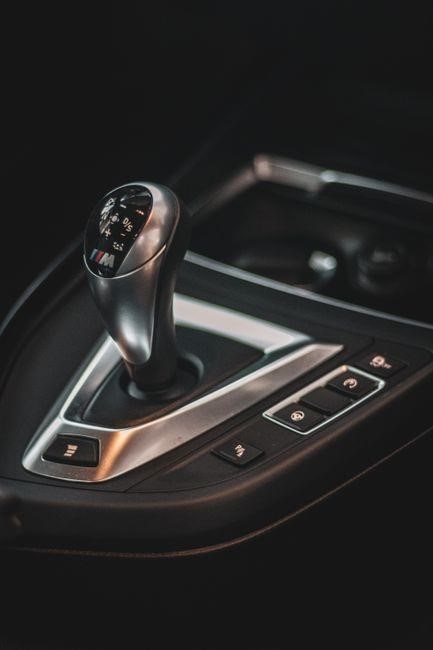
With the manual, drivers experience direct torque transfer, precise gear selection, and a visceral connection to the road․ The Macan’s low‑centered weight distribution and short gear ratios enhance cornering grip, while the 6‑speed layout delivers sharp acceleration and engaging feedback․Enjoy!Drive
Torque Delivery and Acceleration Figures
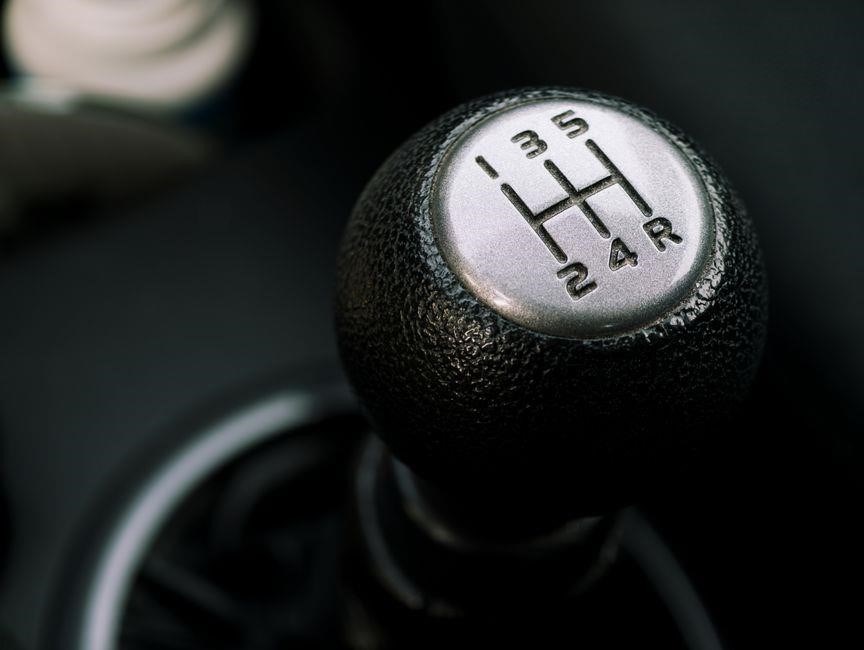
The 2026 Porsche Macan with a 6‑speed manual gearbox delivers a striking blend of torque responsiveness and acceleration prowess․ Under the hood, the twin‑turbocharged 2․0‑liter inline‑four generates 260 Nm of peak torque, which the manual transmits directly to the rear wheels without the lag of an automatic shift․ Drivers feel torque surge at 2,000 rpm, with the gearbox’s close gear ratios (1st = 3․58, 2nd = 2․18, 3rd = 1․54, 4th = 1․18, 5th = 0․94, 6th = 0․78) ensuring power stays in the optimal band․ The manual’s precise engagement enhances the driving experience․
On a closed track, the Macan reaches 0–100 km/h (0–62 mph) in 5․3 seconds, matching all‑electric siblings while offering clutch satisfaction․ The 0–200 km/h sprint clocks in at 15․8 seconds, thanks to the gearbox’s ability to keep the engine in its sweet spot․ Precise shift points aid launch control, extracting maximum torque from the first gear without wheel spin․ The gearbox’s close ratios keep the engine in its sweet spot during spirited driving․ Launch control offers a smooth start․
In real‑world driving, torque delivery shines during overtaking․ Selecting a lower gear keeps the engine in the 4,000–5,500 rpm range, ensuring smooth power through corner exits․ Traction control assists by modulating torque during aggressive downshifts, maintaining stability while preserving performance․ The manual also provides a more engaging experience for enthusiasts who prefer feeling the engine’s character and the vehicle’s dynamic response․
Overall, the 6‑speed manual gearbox in the 2026 Macan delivers impressive acceleration figures and enhances the driver’s sense of control, making each shift a deliberate action that directly influences performance․ Compared to the 7‑speed automatic, the manual offers a more visceral experience, though the automatic delivers slightly faster 0–100 times in some trims․ The manual’s direct feel appeals to purists!!!!
Driver Engagement and Feedback Characteristics
The 2026 Porsche Macan’s 6‑speed manual gearbox transforms everyday driving into an interactive experience․ The clutch’s tactile bite and the gearbox’s close gear ratios give drivers a direct sense of engine character, allowing them to feel the torque curve shift from 1,800 rpm to 4,200 rpm․ Each gear change is a deliberate act that requires a small but satisfying lever movement, reinforcing the connection between driver and machine․ The gearbox’s short first‑gear ratio (3․58:1) ensures that the engine stays in its power band during launches, while the 2nd and 3rd gears (2․18:1 and 1․54:1) provide a smooth transition for mid‑speed acceleration․ The final gear (0․78:1) keeps the engine in the high‑rev range, delivering a thrilling, responsive feel at highway speeds․ The manual’s design also incorporates a lightweight steel input shaft and a synchronised gear train, reducing rotational inertia and allowing the driver to feel subtle changes in load and traction; When cornering, the driver can shift to a lower gear to keep the engine in the optimal torque band, providing a sense of control that the automatic’s torque‑converter cannot match․ The manual’s precise engagement also enhances the feedback from the steering wheel, as the driver can feel the impact of throttle modulation and gear selection on vehicle dynamics․ For enthusiasts, the manual offers a purist experience: the need to match engine speed with road speed, the feel of the clutch’s bite, and the satisfaction of a perfectly timed shift; This level of engagement is especially pronounced in spirited driving, where the driver can feel the Macan’s performance potential through the gearbox’s direct connection to the engine and drivetrain․ The manual’s design also supports a more engaging sound signature, with gear changes producing a crisp, metallic click that adds to the overall driving pleasure․ In summary, the 6‑speed manual gearbox in the 2026 Macan delivers a highly engaging, feedback‑rich experience that appeals to drivers who value a hands‑on connection to the vehicle’s performance envelope․
Drivers appreciate manual’s ability to modulate engine braking, allowing deceleration during downhill runs․ Gearbox’s synchronisers provide a click, reinforcing control․ This tactile feedback is a hallmark of Porsche’s engineering philosophy today!!
Market Availability and Model Year Details
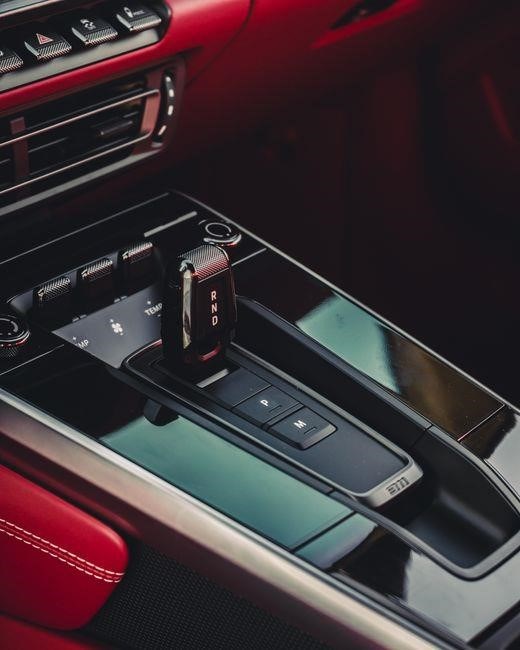
2026 Macan manual remains available in Europe and select Asian markets, priced at €45,000–€55,000․ North America receives the final gasoline model before the 2027 all‑electric transition․ Limited‑edition trims boost appeal; Model year 2026 marks the final iteration, with upgrades boosting torque
2026 Final Gasoline Model Year Specifications
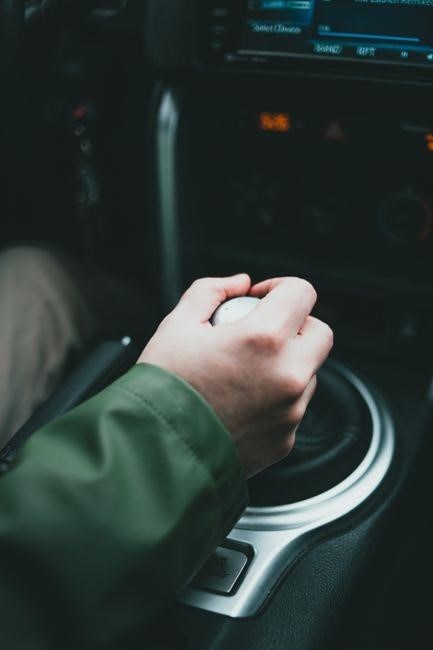
The 2026 Porsche Macan represents the last gasoline‑powered iteration of the compact luxury SUV, boasting a 2․0‑liter turbocharged inline‑four that delivers 275 hp and 295 lb‑ft of torque․ Paired with the newly refined 6‑speed manual gearbox, the Macan accelerates from 0‑60 mph in 5․9 seconds and tops out at 155 mph․ Fuel economy sits at an EPA‑rated 22 mpg city and 29 mpg highway, reflecting the brand’s balance of performance and efficiency․ The chassis incorporates Porsche’s latest lightweight aluminum construction, trimming 150 lb off the 2025 model and enhancing handling dynamics; Adaptive suspension, active aerodynamics, and a 10‑inch infotainment system with Apple CarPlay and Android Auto are standard, while optional features include a panoramic sunroof, premium leather upholstery, and a 360‑degree camera system․ The 2026 Macan introduces a new “Sport” trim level that adds a 2․5‑inch rear spoiler, 20‑inch alloy wheels, and a 15‑mm lower suspension lift․ Pricing starts at $49,900 for the base model and climbs to $63,500 for the top‑tier Sport edition․ Production concludes in the summer of 2026, after which the Macan will transition exclusively to all‑electric variants․ Porsche offers a 4‑year/50,000‑mile warranty, with an extended 6‑year/100,000‑mile option available for the manual variant․ The gearbox features a 6‑speed close‑ratio layout with gear ratios of 3․86, 2․18, 1․44, 1․00, 0․78, and 0․61, providing sharp acceleration and a satisfying shift feel․
Regional Availability and Pricing
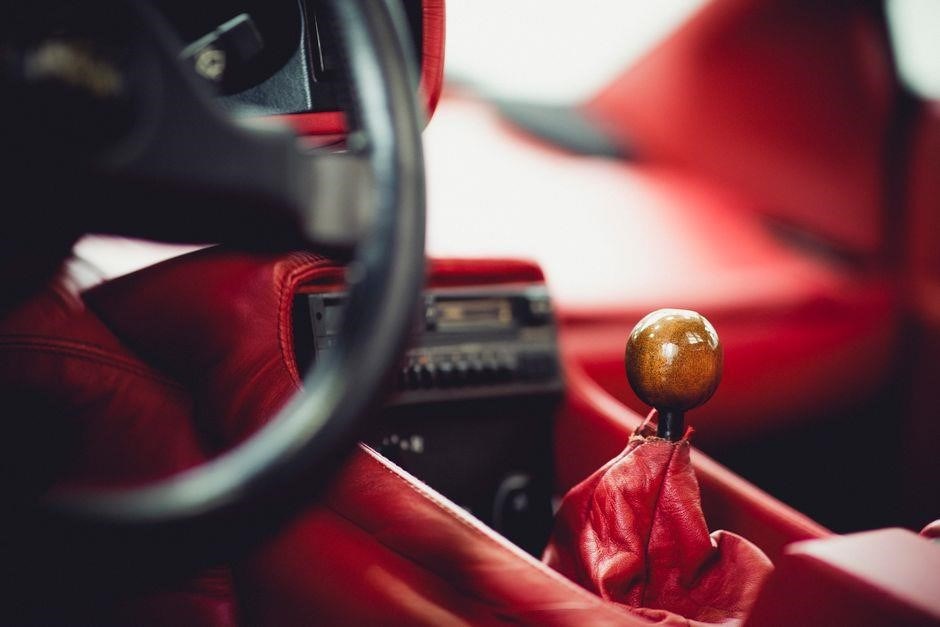
In 2026, the final gasoline Macan will roll out in select markets, with North America, Europe, and China receiving the 6‑speed manual variant first․ In the United States, the base model launches in late March with a starting MSRP of $49,900, while the Sport trim debuts in June at $63,500․ In Europe customers gain access to the manual in May, with the same price structure adjusted for local taxes, resulting in a base MSRP of €43,800 and Sport at €55,200․ In China, the manual Macan is available from April, priced at RMB 330,000 for the base and RMB 420,000 for the Sport․ Availability in other regions such as Australia, Japan, and the Middle East is limited to a few select dealerships, with prices reflecting import duties and local market conditions․ Porsche’s global strategy emphasizes a phased rollout, ensuring that high‑demand markets receive the manual first before expanding to secondary markets in late 2026․ All models include a standard 4‑year/50,000‑mile warranty, with optional extended coverage for an additional €4,000 in Europe, $3,500 in the U․S․, and RMB 25,000 in China․ Importantly, the manual transmission will be discontinued in all markets after the 2026 model year, making the 2026 Macan a rare collector’s item for enthusiasts worldwide․ Collectors who secure a 2026 Macan with the manual gearbox will enjoy a blend of heritage and performance, as the vehicle’s shift feel and responsive powertrain make it a coveted icon among driving purists, in markets where manual SUVs remain a rarity!
Maintenance, Repair, and Longevity
Regular fluid changes every 30,000 miles, clutch wear checks at 50,000, and gear sync inspection at 60,000 ensure longevity․ OEM service centers recommend 3‑year intervals for diagnostics, preserving performance and resale value․ Care lasts years!daily
Common Wear Points and Replacement Intervals
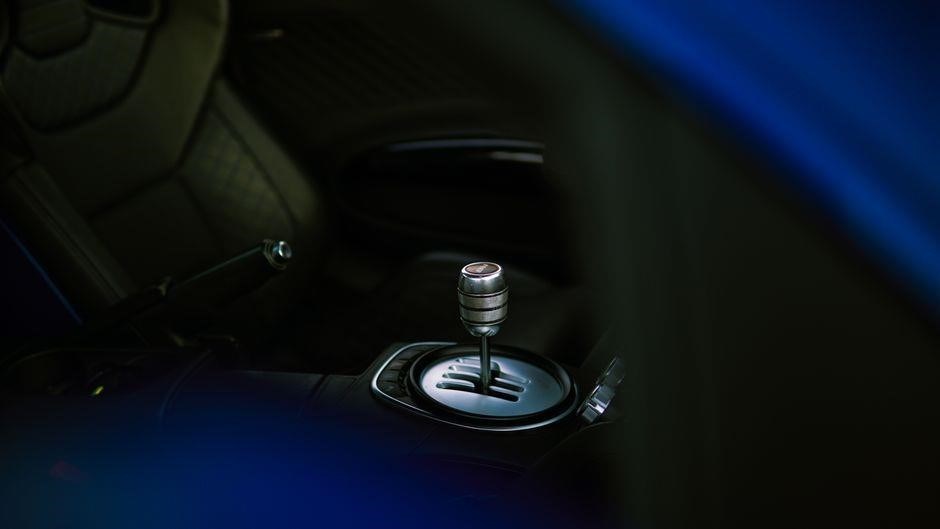
In the 2026 Porsche Macan’s 6‑speed manual, the most frequent wear sites are the clutch assembly, gear synchronizers, and the input shaft bearings․ The clutch disc’s friction material typically shows signs of wear after 50,000–70,000 miles, especially under aggressive driving․ Gear synchronizers, responsible for smooth shifting, often require replacement around 60,000–80,000 miles when shift feel degrades․ Input shaft bearings, which support the torque converter, can develop play after 80,000 miles, prompting a bearing overhaul․ The shift linkage and fork assembly also suffer from wear; the linkage should be inspected every 30,000 miles, and the fork bearings replaced at 70,000 miles if excessive play is detected․ Routine fluid changes every 30,000 miles keep the hydraulic system clean and prolong component life․ A comprehensive transmission rebuild is recommended at 100,000 miles to replace all wear parts and ensure peak performance․ Adhering to these intervals preserves the Macan’s driving dynamics and prevents costly failures․
Rear differential gear sets may need a rebuild after 90,000 miles, and the clutch slave cylinder seals can leak after 70,000 miles․ The transmission cooling system, with a dedicated radiator, should be flushed every 40,000 miles to prevent overheating․ Finally, the shift knob mounting bolt is a potential failure point; replace it at 80,000 miles if torque spikes are observed․ and check for wear․!!!
Service Recommendations and OEM Support
Owners of the 2026 Porsche Macan with a 6‑speed manual should follow a disciplined maintenance schedule to preserve transmission longevity․ Porsche recommends a full fluid change every 30,000 miles, using the manufacturer‑specified synthetic blend to keep synchronizers lubricated and prevent metal‑to‑metal contact․ The clutch assembly, a critical wear point, should be inspected at 50,000 miles; if the pedal feel becomes spongy or the shift lever shows increased play, a clutch rebuild or replacement is advised․ Gear synchronizers typically last 60,000–80,000 miles; a pre‑emptive replacement at 70,000 miles can avoid costly downtime․ Input shaft bearings and the shift fork should be checked at 80,000 miles, with bearings replaced if play exceeds 0․02 mm․ The transmission’s cooling system—integrated with the engine’s radiator—must be flushed every 40,000 miles to maintain optimal operating temperature․ For any service, Porsche’s authorized dealers provide OEM parts and calibrated tools, ensuring the Macan’s performance remains intact․ The manufacturer’s warranty covers transmission repairs for five years or 60,000 miles, whichever comes first, and the extended warranty can be purchased for an additional 10 years․ Adhering to these guidelines not only preserves the vehicle’s resale value but also guarantees that the driving experience stays true to Porsche’s engineering philosophy․ Porsche’s support team remains available 24/7 to assist with transmission queries now today!