
AQA Combined Science Revision Guide: A Comprehensive Plan
Sharpen your exam preparation! Utilize practice questions mirroring past papers, or focus your studies with targeted quizzes on specific combined science topics․
Welcome to the world of AQA Combined Science! This course provides a broad foundation in the sciences – biology, chemistry, and physics – designed to equip students with essential scientific knowledge and skills․
This revision guide is crafted to support your journey through the AQA Combined Science GCSE (9-1) syllabus․ It’s built to help you understand complex concepts, master practical skills, and confidently tackle your exams․ We’ll break down the specification into manageable sections, offering clear explanations and targeted practice․
Remember, success in Combined Science isn’t just about memorizing facts; it’s about understanding how science works and applying that knowledge to solve problems․ Let’s begin building a solid foundation for your scientific future!
Understanding the Specification

Navigating the AQA Combined Science specification is key to effective revision․ The specification outlines exactly what you need to know for your GCSE exams․ It’s divided into topic areas, each with specific content and practical skills requirements․
Familiarize yourself with the structure – understand the weighting of each topic, as this indicates its importance in the exams․ Pay close attention to the ‘Required Practicals’ as these frequently appear in assessments․ The AQA website provides the official specification document; use it as your primary reference point․
Don’t try to learn everything at once! Break down the specification into smaller, achievable goals․ Regularly check your progress against the specification to ensure you’re covering all the necessary material․
Exam Format and Assessment Objectives
AQA Combined Science is assessed through two exams: Foundation and Higher tiers․ Each tier covers the same content, but differs in difficulty and mark allocation․ The exams consist of multiple-choice, structured, closed short answer and open response questions․
Understanding the Assessment Objectives (AOs) is crucial․ AO1 tests knowledge and understanding, AO2 applies knowledge and understanding, and AO3 analyzes information and evaluates․ Practice questions designed to test these skills are invaluable․
Familiarize yourself with the command words used in questions (e․g․, ‘describe’, ‘explain’, ‘evaluate’) as they indicate how your answer should be structured․ Knowing the exam format reduces anxiety and maximizes performance․
Core Principles of Scientific Method
A strong grasp of the scientific method is fundamental to success in AQA Combined Science․ This involves observation, forming a hypothesis – a testable prediction – and designing experiments to gather evidence․
Key principles include identifying variables (independent, dependent, and control), ensuring repeatable results, and analyzing data objectively․ Accurate recording and interpretation of data are vital skills․
Understanding the importance of fair testing, minimizing errors, and drawing valid conclusions from evidence is essential․ Practice analyzing experimental setups and identifying potential flaws to strengthen your understanding of these core principles․
Cell Biology
Cell Biology forms a cornerstone of AQA Combined Science, demanding a thorough understanding of cellular structures and functions․ Focus on mastering the components of both plant and animal cells – nucleus, cytoplasm, cell membrane, and specialized organelles like mitochondria and chloroplasts․
Key areas include transport mechanisms across cell membranes (diffusion, osmosis, active transport) and the processes of cell division: mitosis for growth and repair, and meiosis for sexual reproduction․
Practice drawing and labeling cell diagrams, and explaining the roles of different organelles․ Understanding these fundamental concepts will provide a solid foundation for more complex biological topics․
Cell Structure and Function
Delve into the intricate world of cells! AQA Combined Science requires detailed knowledge of cell structures and their specific functions․ Focus on the nucleus – the control center containing genetic material – and the cytoplasm, where most chemical reactions occur․
Understand the roles of key organelles: mitochondria (energy production), ribosomes (protein synthesis), and the cell membrane (controlling substance passage)․ Plant cells also require attention, specifically the cell wall, chloroplasts (photosynthesis), and vacuole․
Practice identifying these structures on diagrams and explaining how their form relates to their function․ Mastering this foundational knowledge is crucial for success․
Transport in Cells
Explore how substances move in and out of cells! AQA Combined Science emphasizes understanding different transport mechanisms․ Diffusion – the movement of particles from high to low concentration – is fundamental․ Osmosis, the movement of water, is also key, particularly understanding its impact on cells․
Active transport requires energy to move substances against the concentration gradient; grasp this concept thoroughly․ Surface area to volume ratio significantly impacts transport efficiency – larger surface area facilitates faster exchange․
Relate these processes to real-life examples, like nutrient absorption in the small intestine․ Practice explaining how different cells are adapted for efficient transport․
Cell Division – Mitosis and Meiosis
Master the processes of cell replication! AQA Combined Science requires a firm grasp of mitosis – the creation of identical cells for growth and repair․ Understand the stages: prophase, metaphase, anaphase, and telophase․ Be able to describe what happens at each stage․
Meiosis, crucial for sexual reproduction, produces genetically different cells (gametes) with half the chromosome number․ Distinguish between mitosis and meiosis – a common exam question!
Focus on the significance of genetic variation introduced by meiosis․ Practice drawing diagrams illustrating both processes and explaining their roles in organisms․
Organisation
Explore the building blocks of life! This section of the AQA Combined Science syllabus delves into how organisms are structured․ You’ll need to understand the hierarchy from cells to tissues, organs, and finally, organ systems․
Plant tissues (like xylem and phloem) have specialized functions for transport․ Similarly, animal tissues (epithelial, connective, muscular, and nervous) perform distinct roles․ Learn to identify these under a microscope!
Crucially, understand how these systems work together․ Don’t forget communicable diseases – how they spread, their impact on the body, and methods of prevention․ Focus on examples and their effects on organisation․
Plant Tissues, Organs and Systems
Delve into the intricate world of plant biology! This focuses on how plants are organised for survival․ Key tissues include xylem, responsible for water transport, and phloem, which transports sugars produced during photosynthesis․
Understand the functions of plant organs like roots (absorption and anchorage), stems (support and transport), and leaves (photosynthesis)․ Explore how these organs interact within plant systems․
Pay attention to adaptations – how tissue structure relates to function․ For example, the waxy cuticle on leaves reduces water loss․ Microscopic examination of these tissues is vital for exam success․ Practice identifying them!
Animal Tissues, Organs and Systems
Explore the building blocks of animal life! Animal tissues – epithelial, connective, muscle, and nervous – each have specialized roles․ Understand their structure and how it relates to their function within the body․
Focus on key organs like the heart, lungs, stomach, and brain․ Learn how these organs are constructed from different tissues and work together as organ systems (circulatory, respiratory, digestive, nervous)․
Consider the interdependence of systems – how the circulatory system delivers oxygen absorbed by the respiratory system․ Detailed diagrams and labelling practice are crucial․ Master the connection between structure and function for exam success!
Communicable Diseases
Delve into the world of infectious diseases! Understand the difference between viral, bacterial, fungal, and protist infections․ Focus on common examples like influenza (virus), salmonella (bacteria), and athlete’s foot (fungus)․
Explore how diseases spread – through air, water, direct contact, and vectors (like mosquitoes)․ Grasp the importance of hygiene, sanitation, and barrier methods in preventing transmission․
Learn about disease symptoms and their impact on the body․ Practice identifying disease causes and prevention strategies․ Understanding the role of public health measures is vital for exam questions․ Detailed knowledge of specific diseases is key!
Infection and Response
Master the body’s defense mechanisms! This section explores how our bodies fight off invading pathogens․ Begin with understanding pathogens – bacteria, viruses, fungi, and protists – and how they cause disease․ Focus on routes of transmission and the body’s initial non-specific defenses like skin and mucus membranes․

Deep dive into the immune system, covering both innate and adaptive immunity․ Learn about white blood cells (phagocytes, lymphocytes) and their roles in destroying pathogens․
Crucially, understand vaccination – how it provides immunity – and the use of antibiotics to combat bacterial infections․ Be prepared to discuss antibiotic resistance and its implications․
Pathogens and Disease Transmission
Identify the culprits! This focuses on different types of pathogens – bacteria, viruses, fungi, and protists – and the diseases they cause․ Understand their structures and how they function to make you ill;
Trace the spread! Explore various transmission methods: droplet infection, direct contact, contaminated water/food, and vectors (like mosquitoes)․ Consider how hygiene practices and public health measures can break these chains of infection․
Key concepts include understanding how pathogens enter the body, the factors affecting disease spread (population density, sanitation), and the importance of preventing transmission through vaccination and hygiene․
The Human Immune System
Your body’s defense force! This section delves into the intricacies of the human immune system, exploring both non-specific defenses (skin, mucus, stomach acid) and specific defenses (white blood cells)․
Meet the key players: Learn about phagocytes, lymphocytes (B and T cells), and antibodies․ Understand how they work together to identify and neutralize pathogens․ Explore the difference between antibody production and cell-mediated immunity․
Crucial understanding includes immunological memory, the role of memory cells in providing long-term immunity, and how the immune system can sometimes malfunction, leading to autoimmune diseases․
Vaccination and Antibiotics
Preventing and fighting infection! This section contrasts two vital approaches to combating disease․ Vaccination utilizes weakened or inactive pathogens to stimulate the immune system, creating immunological memory before exposure to the real disease․ Understand how this provides long-term protection․
Antibiotics, however, are used to treat bacterial infections after they’ve occurred․ They work by killing bacteria or inhibiting their growth․ It’s crucial to grasp the difference between bacterial and viral infections – antibiotics are ineffective against viruses!
Key concepts include antibiotic resistance, the importance of completing antibiotic courses, and the ethical considerations surrounding vaccination programs․
Bioenergetics
The energy of life! This core module explores how living organisms obtain and utilize energy․ Photosynthesis, the process by which plants convert light energy into chemical energy (glucose), is fundamental․ Understand the reactants, products, and limiting factors influencing this process․
Respiration, conversely, releases energy from glucose to fuel cellular activities․ Both aerobic and anaerobic respiration should be thoroughly understood, including their respective equations and efficiency․
Crucially, examine the interplay between photosynthesis and respiration, and how factors like temperature, light intensity, and carbon dioxide concentration impact both processes․ Mastering these concepts is vital for exam success․
Photosynthesis

Unlocking plant power! Photosynthesis is the process where plants use light energy to convert carbon dioxide and water into glucose and oxygen․ The balanced equation – 6CO2 + 6H2O → C6H12O6 + 6O2 – is essential knowledge․
Chlorophyll, found in chloroplasts, absorbs light energy․ Understand the role of light intensity, carbon dioxide concentration, and temperature as limiting factors․ Higher light levels generally increase the rate, up to a point․
Remember to explore how plants use glucose for respiration and to build larger molecules like cellulose․ Understanding the adaptations of leaves for efficient photosynthesis is also key for exam questions․
Respiration
Energy release for life! Respiration is the process of releasing energy from glucose․ There are two main types: aerobic and anaerobic․ Aerobic respiration, using oxygen, produces much more energy – C6H12O6 + 6O2 → 6CO2 + 6H2O + energy․
Anaerobic respiration occurs without oxygen, producing less energy and lactic acid (in animals) or ethanol and carbon dioxide (in plants and yeast)․ Understand the differences in energy yield and by-products․
Key areas to revise include the role of mitochondria, the importance of respiration for muscle contraction, and how respiration rates change with activity levels․ Don’t forget to compare and contrast both types!
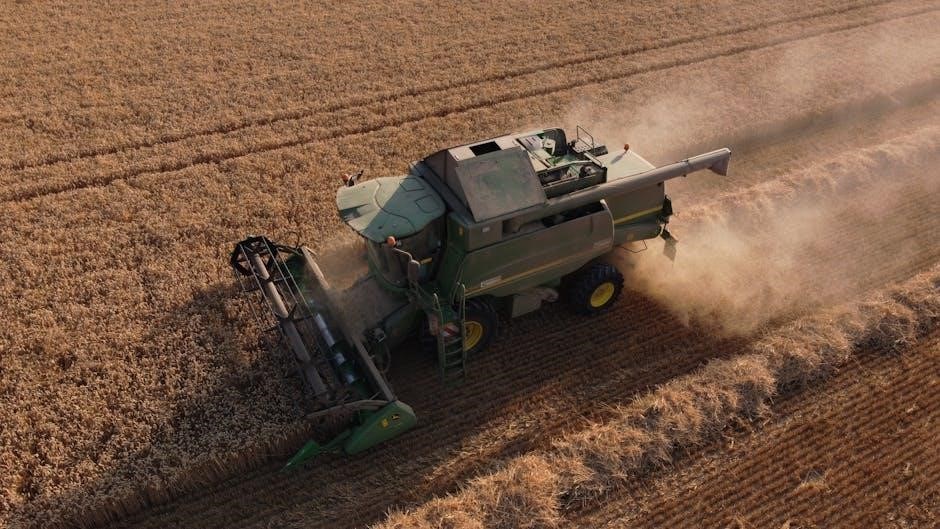
Factors Affecting Photosynthesis and Respiration
Optimizing biological processes! Several factors influence the rates of both photosynthesis and respiration․ For photosynthesis, these include light intensity, carbon dioxide concentration, and temperature – each having an optimal level․
Respiration rates are primarily affected by temperature and the availability of glucose․ Understand how these factors can become limiting, restricting the overall rate․
Graphs are crucial! Be prepared to interpret graphs showing the effect of changing these factors․ Consider how these processes interact within an ecosystem and how changes can impact plant growth and energy production․ Practice applying this knowledge to exam questions․
Homeostasis and Response
Maintaining internal balance! Homeostasis is the ability to maintain a stable internal environment despite external changes․ This involves coordinated responses from the nervous system and the endocrine system․
The nervous system provides rapid communication via electrical impulses, while the endocrine system uses hormones for slower, more sustained effects․ Key areas to study include reflexes, receptors, and the role of the brain․
Blood glucose control is a prime example of homeostasis, regulated by insulin and glucagon․ Understand negative feedback mechanisms and how the body responds to stimuli․ Practice explaining these systems with diagrams!
Nervous System
Rapid communication network! The nervous system allows for quick responses to internal and external changes․ It’s comprised of the central nervous system (CNS) – brain and spinal cord – and the peripheral nervous system (PNS) – nerves branching throughout the body․
Neurons are the fundamental units, transmitting signals via electrical impulses․ Understand the structure of a neuron and how signals travel along it․ Reflex arcs demonstrate rapid, involuntary responses, bypassing conscious thought․

Focus on the role of receptors in detecting stimuli, and synapses in transmitting signals between neurons․ Practice drawing and labeling diagrams of neuronal pathways and explaining how information is processed․
Endocrine System
Slower, sustained responses! The endocrine system uses hormones, released from glands, to regulate bodily functions․ Unlike the nervous system’s rapid signals, hormonal effects are generally slower but longer-lasting․
Key glands include the pituitary, thyroid, adrenal, and pancreas․ Understand the hormones each produces and their specific roles – for example, insulin regulating blood glucose․ Negative feedback mechanisms are crucial for maintaining hormonal balance․
Focus on comparing and contrasting the nervous and endocrine systems․ Practice explaining how hormones travel in the bloodstream and interact with target cells․ Diagrams illustrating hormone production and action are essential for revision․
Control of Blood Glucose
Maintaining energy levels! Blood glucose concentration must be tightly regulated․ After eating, glucose levels rise; the pancreas releases insulin, prompting glucose uptake by cells (especially liver and muscle) for storage as glycogen․ This lowers blood glucose․
Conversely, when glucose levels fall (e․g․, during exercise), the pancreas releases glucagon․ Glucagon stimulates the breakdown of glycogen into glucose, releasing it into the bloodstream, thus increasing blood glucose․
Understand the roles of insulin and glucagon as opposing hormones in a negative feedback loop․ Be prepared to explain the consequences of imbalances, like diabetes, and how it affects glucose control․
Inheritance, Variation and Evolution

Unlocking the secrets of life! This section explores how characteristics are passed down through generations․ Understand DNA as the carrier of genetic information, and how genes determine traits․ Practice using genetic diagrams to predict inheritance patterns – monohybrid and dihybrid crosses are key․
Recognize that variation exists within populations, arising from genetic differences and environmental factors․ Crucially, grasp natural selection: individuals with advantageous traits are more likely to survive and reproduce, passing those traits on․
Be prepared to explain how this process leads to evolution over time․ Consider evidence for evolution, such as fossil records and antibiotic resistance․
Genetic Information and DNA
Delve into the blueprint of life! DNA, or deoxyribonucleic acid, is the molecule carrying our genetic code․ Understand its double helix structure – the famous twisted ladder – and the roles of its components: bases (Adenine, Thymine, Cytosine, Guanine), sugars, and phosphates․
Learn how these bases pair specifically (A with T, C with G) and how the sequence of these bases determines our traits․ Grasp the concept of genes as sections of DNA that code for specific proteins․
Chromosomes are structures containing tightly wound DNA․ Be prepared to explain how DNA replicates before cell division, ensuring genetic information is passed on accurately․
Inheritance and Genetic Diagrams
Master the art of predicting traits! Genetic diagrams, like Punnett squares, are essential tools for visualizing inheritance patterns․ Learn to represent alleles (different versions of a gene) using letters – dominant alleles are capital, recessive are lowercase․
Practice constructing diagrams to determine the probability of offspring inheriting specific characteristics․ Understand concepts like genotype (genetic makeup) and phenotype (observable traits)․
Be comfortable with terms like homozygous (identical alleles) and heterozygous (different alleles)․ Explore monohybrid crosses (tracking one trait) and understand how to interpret the resulting ratios․ This skill is crucial for exam success!
Evolution by Natural Selection

Unlock the secrets of life’s changes! Natural selection, proposed by Charles Darwin, is the driving force behind evolution․ Understand how individuals with advantageous traits are more likely to survive and reproduce in a given environment․
These beneficial traits, coded for by genes, become more common in subsequent generations․ Explore the key principles: variation within a population, inheritance of traits, selection pressures, and adaptation over time․
Consider examples like antibiotic resistance in bacteria or peppered moth coloration․ Grasp how environmental changes influence selection and lead to the evolution of new species․ This is a core concept for AQA Combined Science!
Ecology
Dive into the interconnectedness of life! Ecology explores the relationships between organisms and their environment․ Master the concepts of ecosystems, including biotic (living) and abiotic (non-living) factors, and how energy flows through food webs․
Understand the importance of biodiversity – the variety of life – and the threats it faces․ Learn about conservation efforts aimed at protecting endangered species and habitats․ Crucially, analyze the impact of human activity on ecosystems, including pollution, deforestation, and climate change․
Prepare to explain how these factors disrupt ecological balance and consider sustainable practices for minimizing environmental damage․ This section is vital for AQA Combined Science success!
Ecosystems and Food Webs
Explore the dynamic interactions within nature! An ecosystem encompasses all living organisms and their physical environment in a specific area․ Understand the roles of producers, consumers, and decomposers․ Focus on how energy is transferred through food webs – complex networks illustrating feeding relationships․
Learn to interpret trophic levels (e․g․, primary, secondary consumers) and calculate energy transfer efficiency․ Be prepared to analyze the consequences of removing or adding species to a food web․ Consider the impact of abiotic factors like sunlight, temperature, and water availability on ecosystem stability․
Mastering these concepts is crucial for understanding ecological balance and the interconnectedness of life․
Biodiversity and Conservation
Delve into the importance of life’s variety! Biodiversity refers to the variety of life on Earth at all its levels, from genes to ecosystems․ Understand why maintaining biodiversity is vital for ecosystem stability and human well-being․
Explore the threats to biodiversity, including habitat destruction, pollution, and climate change․ Learn about conservation efforts aimed at protecting endangered species and preserving ecosystems․ This includes strategies like habitat restoration, captive breeding programs, and sustainable resource management․
Be prepared to discuss the ethical and economic arguments for conservation, and the role of international cooperation in protecting our planet’s biodiversity․
Impact of Human Activity on Ecosystems
Investigate how we affect the natural world! Human activities significantly alter ecosystems, often with detrimental consequences․ Understand the impact of deforestation, leading to habitat loss and reduced biodiversity, alongside the consequences of pollution – air, water, and land – on ecosystem health․
Explore how climate change, driven by greenhouse gas emissions, disrupts ecosystems, causing shifts in species distribution and increased frequency of extreme weather events․ Consider the effects of agricultural practices, including pesticide use and fertilizer runoff, on soil and water quality․
Learn about sustainable practices and mitigation strategies to minimize our ecological footprint and promote ecosystem resilience․
Exam Technique: Answering Questions Effectively
Maximize your marks with strategic exam skills! Begin by carefully reading each question, identifying key terms and the command word (e․g․, ‘describe’, ‘explain’, ‘evaluate’)․ Plan your answer briefly before writing, structuring it logically with clear paragraphs․
Show your working in calculations, even if the answer is incorrect, to gain partial credit․ Use scientific terminology accurately and precisely․ Answer the question fully, providing sufficient detail and evidence to support your claims․
Manage your time effectively, allocating appropriate time to each question based on its mark allocation․ Always review your answers for clarity, accuracy, and completeness before submitting your paper․
Practical Skills and Required Practicals

Mastering practical skills is crucial for success! AQA Combined Science places significant emphasis on practical investigations․ Thoroughly understand the methodology, variables, and safety procedures for each required practical․

Practice analyzing data, identifying patterns, and drawing conclusions from experimental results․ Be prepared to evaluate the accuracy and precision of your measurements, and suggest improvements to the experimental design․
Review your practical reports and understand how to link practical work to theoretical concepts․ Familiarize yourself with the equipment used and the potential sources of error․ Effective practical skills demonstrate a deep understanding of scientific principles․
Revision Resources and Websites
Boost your revision with online tools! Numerous websites offer comprehensive AQA Combined Science revision materials․ Explore resources like BBC Bitesize for concise explanations and interactive quizzes․ Seneca Learning provides structured revision courses aligned with the specification․
Physics & Maths Tutor offers past papers and topic questions for focused practice․ Don’t forget YouTube channels dedicated to science education, providing visual explanations of complex concepts․ Utilize official AQA resources, including specification documents and sample assessment materials․
Create a revision timetable and integrate these resources for a well-rounded approach․ Remember to actively engage with the materials, rather than passively reading them!