
Navigating Puma’s sizing can be tricky, as fit varies between models and compared to other brands․ Understanding their guides, considering foot shape, and reading reviews are crucial for a perfect fit․
Understanding Puma’s Fit
Puma’s fit philosophy often leans towards a slightly narrower profile compared to brands like Nike, particularly in their classic sneaker lines․ This doesn’t mean all Puma shoes fit narrowly, but it’s a common characteristic to be aware of․ Many customers report that Puma shoes tend to run true to size, however, variations exist across different models․
For example, the Palermo and Rider lines might feel snugger, while newer, performance-focused models may offer a more accommodating fit․ The brand utilizes standard US and European sizing, but subtle differences in last shapes (the foot form around which the shoe is built) contribute to the overall feel․ Therefore, relying solely on your usual size isn’t always sufficient․ Considering the specific shoe’s design and reading customer feedback is vital for accurate sizing․
Puma also incorporates different technologies and materials, impacting the shoe’s flexibility and how it conforms to your foot․
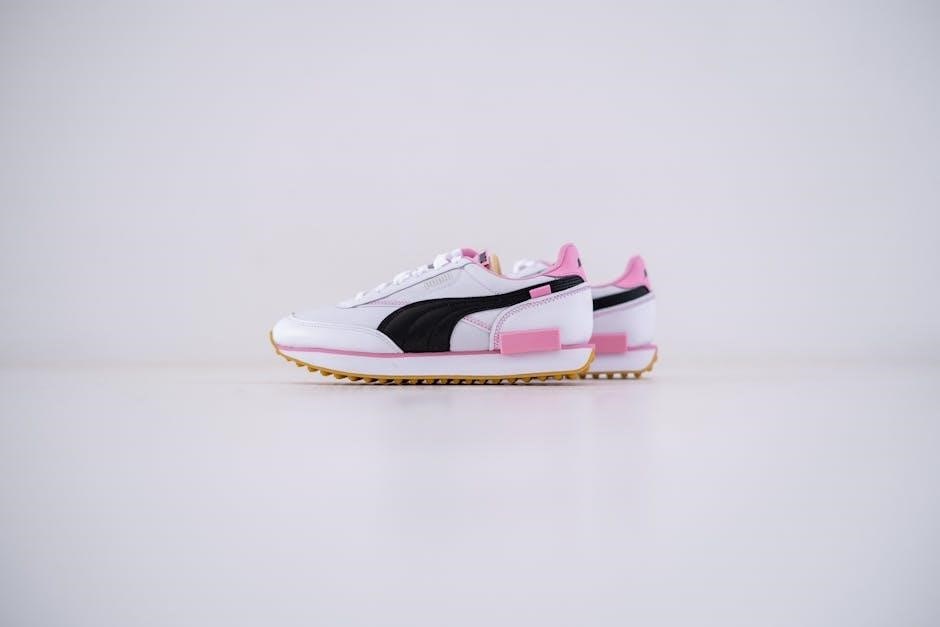
Puma Shoe Sizing: General Guidelines
Generally, Puma shoes align with standard US sizing, but checking specific charts is vital․ Measure your feet and consider potential variations between models for optimal fit․
Puma Size Charts for Men
Puma offers comprehensive size charts for men, crucial for accurate online purchases․ US sizes typically range from 6 to 18, with half sizes available for a more customized fit․ European (EU) sizes correlate, generally spanning 39 to 52․ UK sizes run from 5․5 to 17․5․
However, it’s essential to consult the specific chart for each shoe model, as slight variations exist․ Puma provides a printable foot measuring guide on their official website, recommending measuring both feet as sizes can differ․ Consider width; Puma offers standard and wide-width options in select styles․ Always refer to the product page for the most accurate sizing information, as some models may run smaller or larger․ Utilizing these resources ensures a comfortable and well-fitting Puma experience․
Puma Size Charts for Women
Puma’s women’s size charts are designed to help you find the perfect fit, ranging from US size 5 to 13, including half sizes for precision․ European sizes generally correspond to 35 to 44, while UK sizes span from 3 to 10․5․ Accurate measurement is key; Puma recommends using their printable foot measuring guide, available on their website․
Remember to measure both feet, as discrepancies are common․ Certain Puma styles, particularly running or training shoes, may have unique sizing recommendations, so always check the specific product page․ Width options are less prevalent in women’s styles compared to men’s, but some models offer wider fits․ Prioritizing the correct size ensures optimal comfort and performance during any activity․ Referencing the official Puma size guide is always the best practice;
Puma Size Charts for Kids
Puma offers comprehensive sizing charts for kids, covering infant, toddler, and youth sizes․ Infant sizes typically range from US size 1 to 10, while toddler sizes start at 10 and go up to a youth size 13․ Youth sizes then continue from 13 to 7, accommodating growing feet․ European and UK equivalents are also provided for international customers․
Due to children’s rapidly changing foot size, regular measurements are crucial․ Puma suggests measuring both feet every few months and adding a thumb’s width for growing room․ Consider the type of shoe; sneakers may require a slightly different fit than sandals․ Always consult the specific product page for any style-specific sizing notes․ Utilizing Puma’s printable foot measuring guide ensures the most accurate fit for your child’s active lifestyle․
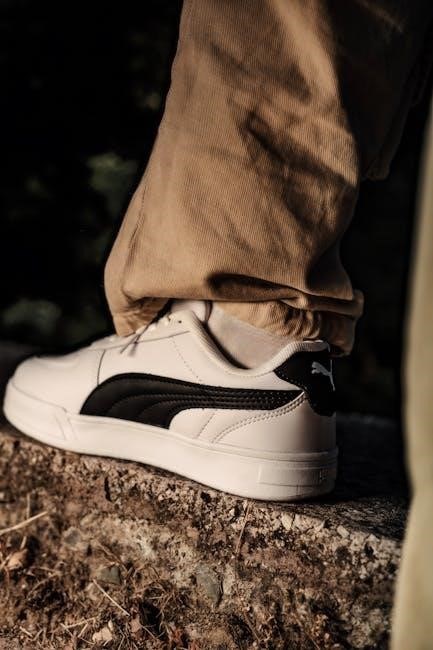
Specific Puma Shoe Models & Sizing
Certain Puma models, like the Palermo, Rider, and Suede Classic, have unique fit characteristics; understanding these nuances ensures optimal comfort and style․
Puma Palermo Sizing Considerations
The Puma Palermo, a retro-inspired trainer, often receives feedback regarding its sizing․ Many customers suggest ordering half a size down from your usual sneaker size for the most comfortable and secure fit․ This recommendation stems from the Palermo’s classic silhouette and potentially slightly generous fit in the toe box․
However, if you prefer a roomier feel or plan to wear thicker socks, sticking to your true-to-size option might be preferable․ Individuals with wider feet may also consider ordering their regular size to avoid any pinching or discomfort․ It’s also worth noting that the Palermo is constructed with leather, which tends to stretch slightly with wear, further supporting the idea of potentially sizing down initially․
Always consult recent customer reviews specific to the colorway you’re interested in, as slight variations in manufacturing can sometimes occur․ Prioritizing accurate foot measurements and comparing them to Puma’s official size chart remains a vital step in ensuring a perfect Palermo fit․
Puma Rider Sizing Recommendations
The Puma Rider, known for its comfort and retro running aesthetic, generally runs true to size for most individuals․ However, a small percentage of wearers report that it can feel slightly long, particularly for those with narrower feet․ Therefore, if you fall between sizes, or typically wear a wider fit, opting for your usual size is usually the safest bet․
For those with narrower feet, or who prefer a snugger fit, considering ordering half a size down might be beneficial․ The Rider features a cushioned midsole and a relatively accommodating toe box, but a half-size adjustment can prevent any potential heel slippage․
As with all Puma models, checking recent customer reviews specific to the Rider colorway you’re considering is highly recommended․ Leather versions may stretch slightly over time, while synthetic materials will maintain their shape more consistently․ Accurate foot measurements are crucial for a confident purchase;
Puma Suede Classic Sizing Tips
The Puma Suede Classic, an iconic silhouette, typically fits true to size, but nuances exist․ Many find it comfortable right out of the box, however, the suede material can conform to your foot shape over time, potentially leading to a slightly looser fit with extended wear․ Therefore, if you prefer a snug fit or plan on wearing thicker socks, consider ordering half a size down․
Individuals with wider feet might find the standard width slightly restrictive․ While the Suede Classic doesn’t come in dedicated wide widths, going up half a size can provide a bit more room․ Always prioritize measuring your foot length and comparing it to Puma’s official size chart․
Reviewing customer feedback specific to the Suede Classic is invaluable․ Pay attention to comments regarding sizing consistency across different colorways, as slight variations can occur․ A well-fitted Suede Classic enhances both style and comfort․

Comparing Puma Sizing to Other Brands
Generally, Puma tends to run slightly smaller than Nike, but similarly to Adidas․ Always consult size charts and reviews when switching between brands for optimal fit․
Puma vs․ Nike Sizing
When comparing Puma and Nike sizing, a consistent pattern emerges: Puma shoes generally run about a half to a full size smaller than their Nike counterparts․ This means if you typically wear a US size 10 in Nike, you’ll likely need a 10․5 or 11 in Puma to achieve a comparable fit․ This difference isn’t universal across all models, but it’s a reliable guideline․
Factors contributing to this include Puma’s narrower footbed and overall shoe construction․ Nike often designs with a more generous width, accommodating a broader range of foot shapes․ Therefore, individuals with wider feet might find Nike more comfortable without sizing up, while Puma may require consideration for wider width options or a larger size․
It’s always recommended to consult specific size charts for the particular Puma and Nike models you’re considering, as variations exist․ Reading customer reviews can also provide valuable insights into how different shoes fit in practice․ Prioritizing accurate foot measurements and understanding these brand-specific nuances will ensure a comfortable and well-fitting experience․
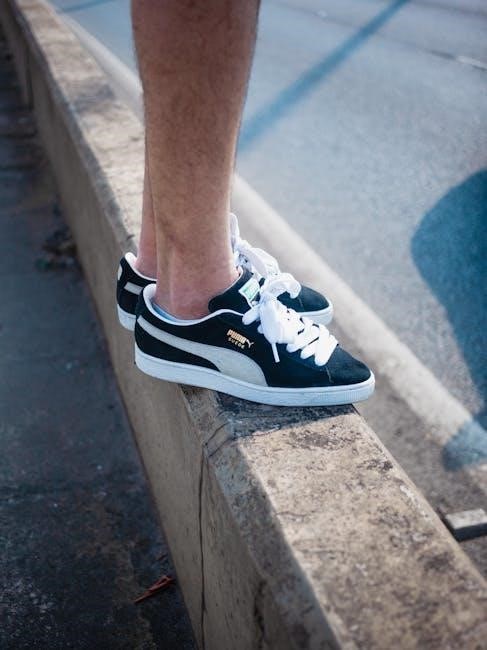
Puma vs․ Adidas Sizing
Generally, Puma and Adidas sizing are relatively similar, making cross-brand comparisons less drastic than with Nike․ However, subtle differences exist․ Puma tends to run slightly narrower, particularly in the toe box, while Adidas often offers a more accommodating fit, especially in classic models like the Stan Smith․
For most individuals, wearing the same size in both brands will suffice․ However, those with wider feet might find Adidas more comfortable without needing to size up․ Conversely, if you consistently find Adidas shoes slipping on your heel, trying a half size down in Puma could provide a more secure fit․
It’s crucial to remember that specific models within each brand can deviate from these general guidelines․ Always refer to the official size charts provided by Puma and Adidas for the shoe you intend to purchase․ Checking customer reviews for feedback on sizing accuracy is also highly recommended before making a final decision․
Puma Apparel Sizing
Puma apparel sizing generally aligns with standard industry measurements, but variations occur․ Consult specific garment charts and consider fit preferences—relaxed or fitted—for optimal comfort․
Puma T-Shirt & Top Sizing
Puma t-shirt and top sizing utilizes a standard numerical system (XS, S, M, L, XL, XXL) alongside corresponding chest and waist measurements․ Accurate measurement is key; use a flexible tape measure to determine your chest circumference at the fullest part, and your waist at the natural waistline․ Puma’s size charts, readily available on their official website, translate these body measurements into their designated sizes․
However, remember that fit preferences play a significant role․ If you prefer a looser, more relaxed fit, consider sizing up․ Conversely, for a more fitted look, you might opt for your usual size or even size down․ Pay attention to the specific product description, as some styles are designed to be more oversized or slim-fitting․ Women’s t-shirts often have a more tailored cut compared to men’s, so referencing the women’s specific chart is crucial․ Don’t forget to account for shrinkage after washing, especially with cotton blends․
Puma Pants & Shorts Sizing
Puma pants and shorts sizing, like their tops, generally follows a standard XS-XXL numerical scale, but relies heavily on waist and inseam measurements for accuracy․ To find your ideal size, measure your natural waistline and inseam (from crotch to ankle for pants, or desired short length)․ Consult Puma’s official size chart, matching your measurements to their corresponding sizes․
Consider the style of the pant or short․ Joggers and track pants often have an elastic waistband and a more relaxed fit, potentially allowing for some sizing flexibility․ More tailored styles, like woven pants or shorts, require a closer adherence to the size chart․ Men’s and women’s cuts differ; women’s pants typically have a higher waist and a more contoured fit․ Always check the product description for specific fit details – “slim fit,” “regular fit,” or “relaxed fit” will influence your size choice․ Account for potential shrinkage, especially with cotton-rich fabrics․
Puma Jacket & Outerwear Sizing
Puma jacket and outerwear sizing requires careful consideration, as layering plays a significant role․ Begin by measuring your chest circumference and sleeve length․ Refer to Puma’s size chart, matching these measurements to their XS-XXL scale․ Remember that outerwear is often designed to accommodate layers, so consider if you’ll typically wear a sweater or thick shirt underneath․
If you’re between sizes, it’s generally advisable to size up, especially for winter coats or waterproof jackets․ Pay attention to the jacket’s cut – a “slim fit” will be more form-fitting, while a “regular fit” offers more room for movement․ Women’s jackets are typically cut to flatter a feminine silhouette․ Check the product description for details on insulation and weather resistance, as these features can affect the desired fit․ Consider sleeve length; a slightly longer sleeve is preferable for layering and comfort․
Tips for Accurate Puma Size Selection
Always measure both feet, as sizes can differ! Consider the time of day – feet swell․ Wear socks you’d typically use with Puma shoes for precise measurements․
Measuring Your Feet at Home
Accurately measuring your feet at home is the first step towards finding your perfect Puma size․ You’ll need a piece of paper larger than your foot, a pencil, a ruler or measuring tape, and socks similar to those you’ll wear with your Puma shoes․ Place the paper flat on the floor against a wall․ Stand on the paper with your heel against the wall․
Carefully trace around your foot, keeping the pencil vertical․ Repeat with the other foot, as sizes often vary․ Then, using the ruler or measuring tape, measure the length from the heel to the longest toe on each tracing․ Note both measurements in inches or centimeters․ It’s crucial to measure both feet and use the larger measurement when consulting Puma’s size chart․ Remember to measure at the end of the day, as feet tend to swell throughout the day․
Considering Sock Thickness
When determining your Puma shoe size, don’t overlook the impact of sock thickness! The socks you intend to wear with your Pumas significantly affect the fit․ If you typically wear thick athletic socks for running or training, you’ll need to account for the added volume when measuring your feet and selecting a size․
Conversely, if you plan to wear thin liner socks with casual Puma sneakers, you might be able to size down slightly․ It’s always best to measure your feet while wearing the type of socks you’ll most often pair with your shoes․ Failing to do so can result in shoes that feel too snug or too loose․ Prioritize comfort and allow enough room for your toes to move freely, even with thicker socks․
Puma Sizing for Different Foot Types
Puma caters to various foot shapes; consider width and arch when selecting sizes․ Adjustments may be needed for optimal comfort and performance․
Wide Feet & Puma Shoes
Individuals with wider feet often encounter challenges finding comfortable footwear, and Puma is no exception․ Generally, it’s recommended to size up half a size or even a full size from your usual Puma size to accommodate the extra width․ However, this isn’t a universal rule, as some Puma models inherently run narrower than others․
Specifically, look for Puma shoes marketed as “wide” or those with a more accommodating toe box shape․ The Puma Palermo and Rider models, while stylish, may not be ideal for wider feet without sizing up significantly․ Conversely, certain running shoes within the Puma line offer more generous width options․ Always check customer reviews, as they frequently provide valuable insights from others with similar foot types․ Prioritize models with flexible uppers, like knit or mesh, as these tend to stretch and conform to the foot better than rigid materials․
Narrow Feet & Puma Shoes
Those with narrow feet may find that standard Puma sizes offer a slightly roomier fit․ While sizing down might seem logical, it’s often better to maintain your usual Puma size and utilize features like laces or adjustable straps to achieve a secure fit․ Overly tight shoes can lead to discomfort and blisters, so avoid drastically reducing your size․
Certain Puma models, particularly those designed for performance activities like running, tend to have a more streamlined silhouette that may better suit narrower feet․ The Suede Classic, known for its iconic style, can sometimes feel a bit wide, potentially requiring thicker socks or insoles for a snugger feel․ Reading customer reviews is crucial; look for feedback from individuals with similar foot widths․ Consider using aftermarket insoles designed for narrow feet to fill any excess space and enhance comfort and support․
Puma’s Return & Exchange Policy
Puma generally offers a 30-day return window for unworn merchandise, with conditions applying․ Exchanges are often available, ensuring a correct size and fit․
Understanding Puma’s Sizing Guarantee
Puma doesn’t explicitly offer a “sizing guarantee” in the traditional sense, but their return and exchange policy effectively functions as one, providing customers with recourse if the initial size selection doesn’t fit correctly․ They prioritize customer satisfaction and aim to ensure a positive shopping experience․ This means that if you follow their sizing guides and still receive an ill-fitting product, you’re generally eligible for a return or exchange, provided the item is unworn and in its original packaging․
However, it’s crucial to understand the terms and conditions of their policy․ Returns initiated outside the specified timeframe, or for items that have been worn or damaged, may not be accepted․ Therefore, taking the time to accurately measure your feet, consider sock thickness, and review model-specific sizing recommendations is highly advised to minimize the need for returns․ Puma encourages customers to utilize their resources to find the best possible fit the first time․
Where to Find More Puma Sizing Information
Explore Puma’s official website size guide and delve into customer reviews for valuable sizing feedback․ These resources offer detailed insights for optimal fit․
Puma Official Website Size Guide
Puma’s official website provides a comprehensive size guide, a crucial starting point for accurate measurements․ The guide typically includes detailed charts for men, women, and kids, covering both footwear and apparel․ For shoes, they often offer instructions on how to measure your foot length and width correctly, emphasizing the importance of measuring both feet as sizes can differ․
Apparel sizing charts usually focus on chest, waist, and inseam measurements, providing guidance for finding the best fit for t-shirts, hoodies, pants, and shorts․ The website may also include specific sizing information for different product lines, recognizing that fits can vary between athletic wear and lifestyle clothing․ Furthermore, Puma frequently updates its size guides to reflect changes in manufacturing and design, ensuring the information remains current and reliable․ Always refer to the specific size chart for the item you are interested in purchasing, as general sizing can be misleading․
Customer Reviews & Sizing Feedback
Leveraging customer reviews is invaluable when determining Puma sizing, supplementing official guides․ Real-world feedback often reveals whether a particular style runs true to size, large, or small․ Many reviewers detail their personal experiences, including their usual size in other brands and how Puma’s fit compared․ Pay attention to comments regarding width, as Puma shoes can sometimes run narrow․
Searching for reviews specifically mentioning foot shape – wide, narrow, or standard – can provide targeted insights․ Online retailers often have dedicated sections for sizing feedback, allowing you to filter reviews by size and other relevant criteria․ Don’t hesitate to read multiple reviews to get a comprehensive understanding of the fit․ Remember that individual perceptions vary, but consistent feedback can highlight potential sizing issues․ Utilizing this collective wisdom can significantly improve your chances of selecting the correct size․